
Scroll through Instagram, WhatsApp, or any other social media platform and you will probably come across a meme within a few seconds. It could be a funny reaction, a movie scene, a clever caption, or a joke about something that happened that day. But what is a meme, and why do people love sharing them so much?
Memes have become one of the easiest ways to communicate online. A single picture can show excitement, frustration, happiness, confusion, or even an entire life situation. From Bollywood scenes to college jokes and office struggles, almost anything can inspire a meme.
If you are wondering what is meme, the easiest answer is that it is digital content that people share, modify, and reuse in different situations. The meme meaning can change when the same image or video is paired with a different caption.
But what does meme mean beyond being funny content? How are memes made? Why do some become viral? And why are businesses interested in them? This guide answers all these questions while covering the types of memes, meme examples, how memes are created, and the growing trend of brands using memes for marketing.
What Is a Meme?
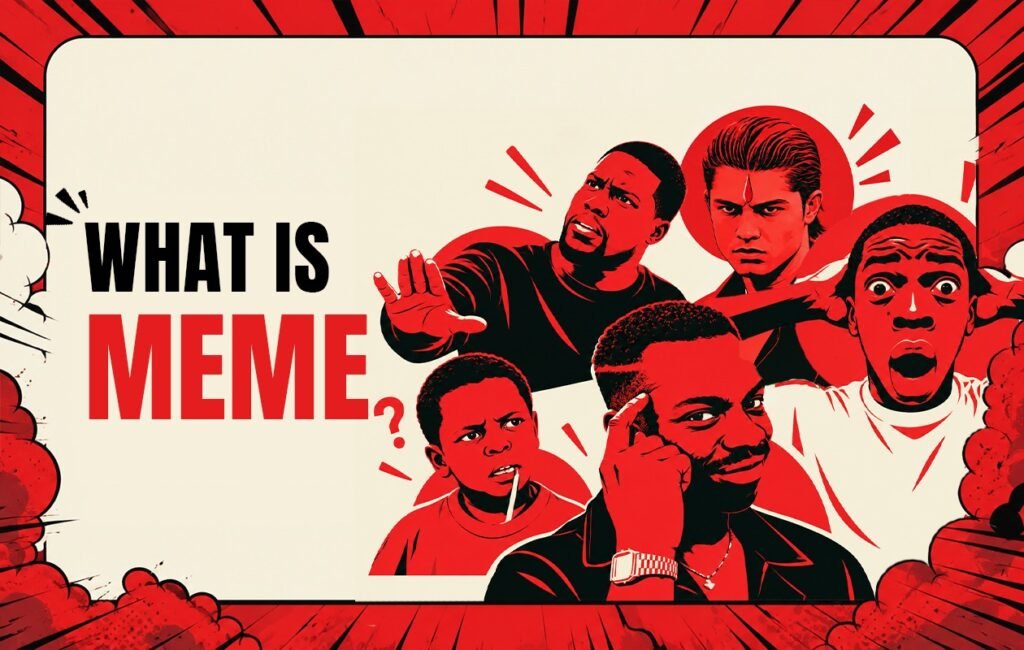
So, what is a meme in simple language? A meme is a piece of content that spreads from one person to another, usually through the internet. It can be a photograph, video, GIF, screenshot, phrase, sound, or edited piece of content. What makes a meme different is the way people reuse it. Someone may find a funny picture and add a caption about college. Another person may use that same picture to talk about their job. The original visual stays unchanged, but the joke becomes completely different.
This also explains the meme meaning. A meme does not always carry one permanent message. People give it meaning based on the situation in which they use it. So, what does meme mean when we look at internet culture? It represents a shared idea or format that people recognise and recreate. The more people use the format, the more familiar it becomes.
Some memes remain popular for years, while others disappear within a few days. Their popularity usually depends on relevance, humour, creativity, and timing.
Types of Memes
There is no single format that defines memes. The internet has created several types of memes, each suited to different kinds of humour and communication.
Here are some of the most common types of memes you will find online.
1. Image Memes
Image memes use a still picture as the main element. The picture could come from a movie, television show, celebrity interview, photograph, or everyday situation. A short caption is added to give the image a new context. For instance, a picture of someone looking exhausted could become a joke about working late or attending back to back meetings.
2. Reaction Memes
Reaction memes are used when words are not enough to describe a feeling. A surprised face can show shock, while a laughing expression can communicate amusement. These are among the most frequently shared types of memes because users can use them in conversations, comments, stories, and direct messages.
3. Video Memes
Video memes use short clips rather than still images. Movie scenes, interviews, sports moments, reality show clips, and viral videos can all become meme material. Creators may add subtitles, sounds, voiceovers, cuts, or other edits to make the clip fit a completely different situation.
4. GIF Memes
GIFs are short animated clips that play repeatedly. They are often used as quick reactions in online conversations. A GIF showing someone celebrating can replace a written “I am so happy,” while a dramatic reaction can be used to show surprise. When people repeatedly associate a GIF with a certain joke or situation, it can also become a meme.
5. Relatable Memes
Relatable memes focus on experiences that many people have gone through. Waiting for payday, struggling with Monday mornings, avoiding calls, dealing with deadlines, or ordering food when you promised yourself you would save money are common themes. These meme examples work because viewers instantly recognise themselves in the situation.
6. Trending Memes
Trending memes are connected to topics that are currently receiving attention. A new movie, celebrity moment, sporting event, viral dialogue, festival, or online trend can quickly turn into meme content. Among the different types of memes, this format depends heavily on timing. A joke posted while a topic is trending can get attention much faster than the same joke posted weeks later.
Why Do Memes Become So Popular?
Now that we know what is meme, it is worth understanding why some memes spread so quickly. One major reason is that memes are easy to understand. People usually do not need a long explanation before getting the joke. A familiar image combined with a short caption can communicate the idea almost instantly.
Relatability is another important factor. When someone sees a meme about something they have personally experienced, they are more likely to share it with friends. Humour also makes memes highly shareable. People enjoy sending funny content to friends, adding it to their stories, or using it in conversations. Another reason is participation. Anyone can take an existing meme format and create their own version. This keeps the content moving from one user to another.
For example, one person may create a meme about an exam. Someone else may use the same format for office life. Another person may turn it into a relationship joke. This constant recreation keeps popular formats alive. The best meme examples usually have a combination of humour, simplicity, familiarity, and good timing. The meme meaning can also change as the content moves between communities. A meme that starts as a joke about a movie may later be used for college life, work, relationships, or shopping.
How Are Memes Created?
Many people assume that creating memes requires design experience, but that is not always true. Understanding how memes are created starts with having an idea that people can relate to. Here is a simple look at how memes are created:
1. Start With an Idea
The first step is finding something worth turning into a joke. It could be a daily experience, funny observation, popular dialogue, celebrity moment, or current trend.
2. Select a Suitable Format
Once the idea is ready, choose an image, video, GIF, screenshot, or audio clip that matches it. The visual should help communicate the joke instead of confusing the viewer.
3. Write the Caption
The caption gives the content its new context. Good meme captions are usually short, clear, and easy to understand.
4. Make Basic Edits
Editing can include adding text, cropping an image, combining visuals, cutting a video, or adding sound. There are many simple online tools that make this process easy.
5. Think About Your Audience
Knowing how memes are created is not only about making the content. You also need to understand who will see it.
A gaming joke may work extremely well with gamers but may not have the same impact on a business audience. The reference should match the people you want to reach.
6. Keep Up With Trends
Trends can disappear very quickly. If a creator notices a popular topic early and develops a relevant idea, the meme has a better chance of getting noticed.
7. Make It Easy to Get
The strongest meme examples usually do not require a long explanation. Viewers should understand the basic joke within a few seconds. This is why simplicity matters when learning how memes are created.
How Do Brands Use Memes for Marketing?
Memes are no longer limited to personal social media accounts. Businesses have also started using them to make their online communication more interesting. The concept is often called meme marketing. Instead of presenting every post like a traditional advertisement, brands using memes connect their message with humour, trends, popular references, and everyday situations.
This can make a brand appear more relatable and conversational. However, brands using memes need to understand that simply copying a viral format is not enough. The meme should have some connection with the brand, product, audience, or current conversation. Here are a few examples.
1. Blinkit
Blinkit is well known for creating quick social media content around things people are already discussing online. Its posts often connect everyday moments and trending topics with the products available on the platform. This makes Blinkit a useful example of brands using memes and topical content to remain part of online conversations.
2. Zomato
Zomato has developed a casual social media style that often combines food with humour and everyday observations. Instead of making every post feel like a sales message, the brand uses situations that food lovers can easily recognise. This helps its content feel more natural on social media.
3. Swiggy
Swiggy is another brand that uses pop culture, food related situations, and current online conversations in its social communication. Its approach shows how brands using memes can make promotional communication feel lighter and more entertaining.
4. boAt
boAt is another brand that uses pop culture, trending conversations, and relatable humour to connect with its audience. Its social media content often takes everyday situations and gives them a fun twist that feels natural to young digital audiences.
These brands using memes show that successful meme marketing is not simply about posting something funny. The content should make sense for the brand and its audience.
Why Are Memes Important Today?
If you still wonder what is a meme and why it matters, the answer goes beyond entertainment. Memes have become a part of everyday online communication. People use them to express emotions, comment on trends, react to news, make jokes, and share experiences. In many cases, a meme can communicate an emotion faster than a paragraph of text. This makes memes especially useful on social platforms where people scroll quickly.
Creators also use memes to attract attention and join popular conversations. For businesses, memes can create a more relaxed way of speaking with customers. At the same time, meme marketing needs to be used carefully. Not every trend will suit every brand, and humour can be interpreted differently by different audiences. This is where a meme marketing agency in India can be useful. A professional team can monitor trends, develop original ideas, understand audience behaviour, and create meme content that fits the brand.
Conclusion
Memes have become a simple and powerful way to entertain, connect, and start conversations online. For brands, they offer a fun way to reach audiences without making content feel like a regular advertisement.
Want to make your brand more relatable and shareable? A meme marketing agency in India can help you create creative, timely, and engaging meme campaigns that connect with the right audience. With the right idea, humour, and timing, a meme can turn into powerful marketing content.
FAQs
What is a meme in simple words?
A meme is a piece of online content, such as an image, video, GIF, or phrase, that people share and often change to express an idea, joke, reaction, or feeling.
What does a meme mean?
The meme meaning refers to content that spreads online and can be recreated or adapted by different people for new situations.
What is an example of a meme?
A popular movie scene with a new caption about exams, office life, relationships, shopping, or another everyday experience is a simple example of a meme.
What is the difference between a meme and a GIF?
A GIF is a short animated image, while a meme can use images, videos, GIFs, text, or other formats. A GIF can become a meme when people repeatedly use it to represent a particular reaction or joke.
Why do memes become viral?
Memes often spread quickly when they are funny, relatable, timely, easy to understand, and simple to share. Being connected to a popular trend can also increase their reach.
What are the different types of memes?
Common types of memes include image memes, reaction memes, video memes, GIF memes, relatable memes, and trending memes.
Can brands use memes for marketing?
Yes. Brands using memes can use humour, relatable situations, and current trends to communicate with their audience in a more casual way. The content should still match the brand’s identity.